What Does In-House GP Mean in a Nursing Home?
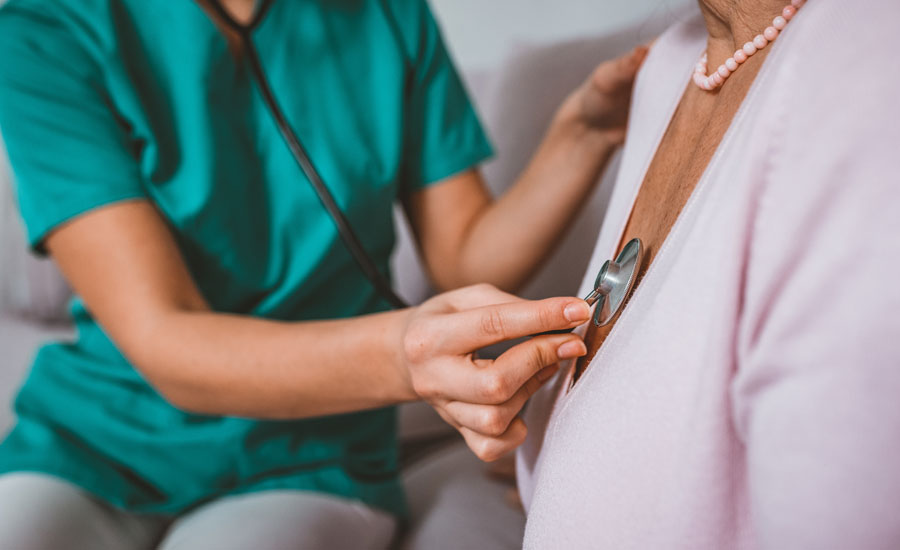
If you have been looking at nursing homes for a loved one and come across the term ‘in-house GP’ you’re probably wondering what that means and why it matters.
Medical access varies significantly across care settings and directly affects the calibre and speed of healthcare a resident receives.
Keep reading as we discuss in-house GPs in nursing homes and why they can improve the quality of care.
Do Nursing Homes Have Their Own Doctors?
Most nursing homes do not have a GP on-site. Residents are typically registered with a local GP practice and seen either during scheduled visits to the home or when a consultation is requested. An in-house GP means a doctor is based at the nursing home itself, providing regular and direct medical care to residents without the delays that come with external GP referrals.
How Medical Care Usually Works in a Nursing Home
In most nursing homes in the UK, medical care is provided by an external GP practice that holds a contract to visit the home. For residents with straightforward needs and symptoms that are stable, this can work adequately, but if they have complex or fluctuating conditions, it isn’t as helpful as an in-house GP.
In practice, an external GP often means:
- Scheduled visits once or twice a week
- Phone consultations for concerns raised between visits
- Waiting for an available appointment when a resident’s condition changes
- Out-of-hours care is handled by an external service that the resident and family may never have met
What In-House GP Care Actually Looks Like
When a nursing home has its own GP, residents get consistent, timely medical attention as part of their daily care.
An in-house GP can:
- See a resident the same day their condition changes
- Build a real ongoing relationship with each resident over time
- Attend MDT meetings with nursing and care staff regularly
- Review and update care plans and medications with direct clinical knowledge of the resident
- Provide families with timely, informed updates without information passing through multiple hands first
The difference between an in-house GP and a local GP is something you’ll notice more when something quickly changes with your loved one’s health. For example, a resident who develops a chest infection on a Monday morning in a home with an in-house GP is assessed that day.
Benefits for Nursing Home Residents With Complex Needs
Many nursing home residents are managing several conditions at once, with medications and symptoms that affect each other in ways that aren’t always obvious.
A GP who has worked with a resident regularly and knows them well is far better placed to spot when a condition has worsened and act quickly.
It also reduces unnecessary hospital admissions. In fact, many A&E trips from care settings occur because a clinical decision could not be made on-site in time. An in-house GP can make that call, which is far less disruptive and often far better for the resident’s recovery.
Why In-House GP Care Is Worth Looking For
Not every nursing home offers in-house GP access — and it might not be clearly advertised during your research. So, when you are researching homes for a loved one, it’s one of the more practical questions you can ask because it’ll tell you a lot about how medical care is prioritised day-to-day within the home.
A resident who is seen regularly by a doctor who knows them is in a fundamentally different position from one who waits for a scheduled visit or relies on an out-of-hours service in an urgent moment.
For families, it also means clearer communication and fewer situations in which you have to piece together what happened and why.
Ready to explore...