Small Changes That Make a Big Difference to Lonely Residents in Care Homes
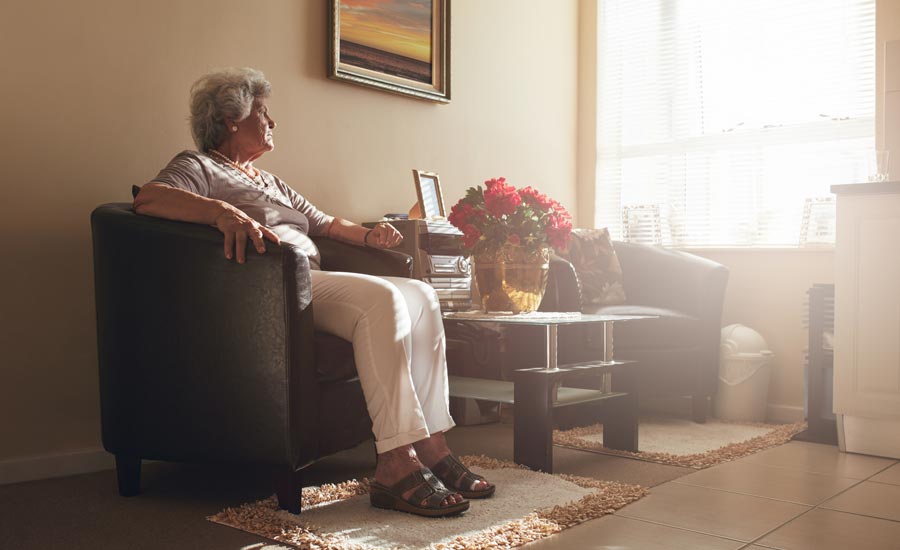
Loneliness in care homes is a well-documented problem, but a home doesn’t need to overhaul its entire services to tackle it.
In fact, small changes to daily interactions, environment and routine can make a massive difference to how connected a resident feels day to day.
Keep reading to learn more about how care homes are adapting to prevent loneliness in residents.
How Do Care Homes Help Lonely Residents Feel More Connected?
To help lonely residents feel more connected, care homes encourage consistent one-to-one interaction with staff, personalised activities that reflect individual interests, meaningful relationships with other residents, regular family involvement and small environmental changes that encourage spontaneous social contact. Some care homes think a busy activities calendar is enough, but the focus should be on the quality of connections.
Reducing Loneliness in Care Home Residents
When it comes to addressing loneliness in care homes, the changes that make the biggest difference are often simpler than people expect.
Here’s what care homes have found works.
Consistent Carers
A rotating roster of unfamiliar faces makes it difficult for residents to build trust. When the same staff members regularly care for a resident, familiarity develops, and with it a relationship where a resident feels comfortable talking about how they feel. Homes that prioritise staff retention report lower loneliness scores among residents. And staff who know their residents well are far better placed to notice when something has changed.
Seating Arrangements That Get Residents Talking
Did you know that seating has a significant effect on social connection in care homes? Research published in The Gerontologist found that inward-facing seating, where residents can make eye contact and conversation happens naturally, increased spontaneous interaction between residents. But rows of chairs facing a television produce the opposite effect, so an easy change to a lounge layout opens up social opportunities at no additional cost.
Matching Residents on Shared Interests and Background
Some of the strongest friendships in care homes start with a staff member noticing that two residents have something in common. Things like shared careers, backgrounds and hobbies give care home residents a common ground to start from. Homes that learn who their residents are as individuals and use that knowledge when introducing people to each other create the perfect conditions for friendships to develop.
Activities Built Around Individual Residents
There is a difference between activities that keep residents occupied and activities that keep them engaged. A resident who spent decades as a nurse, who has always grown their own vegetables or who can talk for hours about a particular period in history has a rich inner life that a standard craft session will do little to foster. It’s also important to acknowledge residents’ religious beliefs and culture.
Care homes that have seen the strongest results with lonely residents tend to offer:
- One-to-one reading or conversation sessions for residents who find group settings overwhelming
- Small gardening groups for residents with a shared interest in the outdoors
- Reminiscence sessions are created for a specific resident’s decade or life experience
- Cooking and baking activities to connect residents to familiar routines from their past
Giving Residents a Role
As with any person of any age, residents who feel useful tend to feel less lonely. Giving a resident a consistent role in the home creates purpose and natural daily social interaction, which is the best way to build bonds. Some examples care homes have found effective:
- A resident who helps set tables before meals
- Someone who takes responsibility for watering plants in communal areas
- A resident who welcomes new arrivals and shows them around
- Someone who leads a reminiscence session drawn from their own experiences
Staff Who Take Time for Conversations
A staff member who stops during a routine task, makes eye contact and asks a resident something real about their life is doing something that an activity schedule can’t replicate. It needs to happen consistently to have an effect and homes that make talking with residents a deliberate part of their working day will see the results in how residents feel.
Regular Family Contact
Residents who have consistent family contact, whether through in-person visits or technology, are much less likely to experience chronic loneliness. Care homes that make family involvement easy through flexible visiting hours, support with video calling and keeping families informed and included tend to have residents who feel more anchored and emotionally stable. Even a short weekly call makes a difference for residents whose families live further away.
What Residents’ Families Can Do To Minimise Loneliness
Families who can share detailed information about their loved one’s history, relationships and lifestyle preferences when they move in give care homes the material they need to make a personalised connection possible.
So, the more staff know about who a resident is as a person, the better they are positioned to find ways to keep them connected, preventing painful feelings of loneliness.
If you are concerned that a loved one may be struggling with loneliness, raise it directly with the home. A good care home will welcome that conversation and tell you what steps they are taking to help.
The Details That Define a Good Care Home
The difference between a lonely resident and a connected one comes down to small moments, such as a familiar face in the morning, consistent, natural conversations or activities that reflect what a resident cares about.
Care homes that get this right tend to be the ones where staff know their residents well enough to notice when something is off, and most importantly, respond before it becomes a bigger problem.
Ready to explore...