Fall Prevention in Care Homes – What Good Care Looks Like
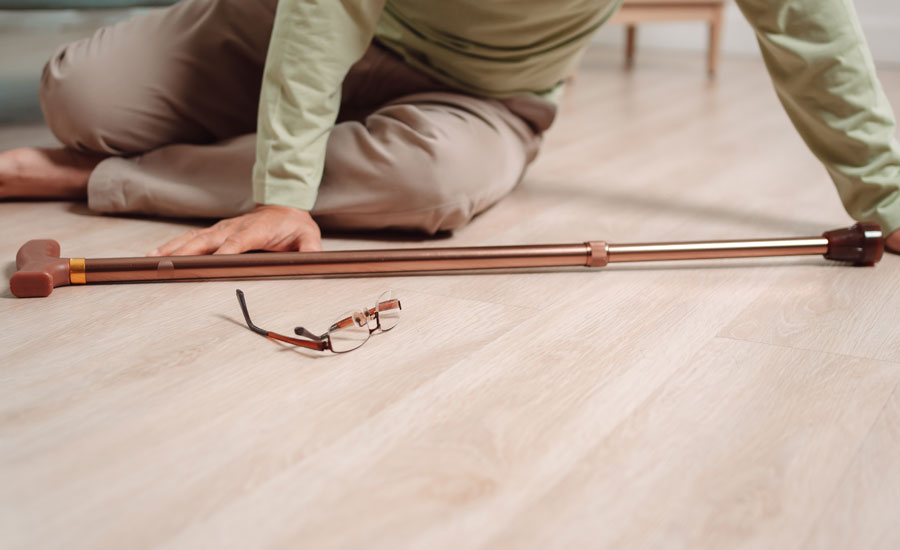
Falls are one of the most common causes of injury among older people, and in a care home setting, preventing them is a daily priority.
For residents, a fall can mean physical injury, but it can also affect confidence and overall well-being, sometimes significantly, which impacts independence and dignity.
This article discusses what good fall prevention looks like, which is important for residents, families and care teams alike.
So what does good fall prevention actually look like in practice?
Why Do Falls Happen in Older People?
Falls are usually the result of several factors coming together at once, such as reduced muscle strength, balance problems, medication side effects, poor vision, cognitive impairment and environmental hazards like wet floors or poor lighting. In a care home, the challenge is managing all of these factors simultaneously across a group of residents who each have their own individual needs and risks.
Fall Prevention Starts With the Individual
Effective fall prevention in care homes starts with a thorough and personalised risk assessment. When a resident moves into the home, trained staff should be looking carefully at their medical history, current medications, mobility, cognitive function and any previous falls that have occurred.
This should not be a one-off exercise and as a resident’s health changes, so does their level of risk.
Current NICE guidance recommends a comprehensive, multifactorial assessment rather than relying on a single risk-scoring tool, such as STRATIFY or MORSE. This means looking at the whole person, including their history, mobility, medications, cognitive function and environment to build a complete picture of their individual risk.
How Care Home Environments Prevent Falls
Areas around the home are more important than you might realise. Here are a few ways care facilities can become safer for elderly residents:
✓ Well-lit corridors and communal spaces reduce trip hazards significantly
✓ Non-slip flooring and properly positioned handrails make a practical difference every day
✓ Accessible bathrooms and call systems that allow residents to summon help quickly are essential, particularly at night
✓ For residents living with dementia, familiar layouts and thoughtfully planned spaces help with orientation and reduce the kind of disoriented wandering that can lead to falls
Keeping Residents Moving
One of the most effective ways to reduce falls is to keep residents as mobile and strong as possible.
Regular, gentle exercise helps maintain muscle strength, balance and coordination and many care homes work with physiotherapists to provide customised programmes for residents with more complex needs.
It can be tempting, with the best of intentions, to limit the movement of residents considered high risk. But in practice, this can actually do a lot more harm than good. That’s because inactivity leads to muscle weakness, which further increases the risk of falls. So, encouraging safe, supported movement is nearly always the better approach.
Medication is another factor worth paying close attention to:
Sedatives, blood pressure medication and some antidepressants are known to increase fall risk by causing dizziness or drops in blood pressure when standing. That’s why care homes prioritise regular reviews by a GP or pharmacist as an important part of any fall prevention programme and care staff should raise concerns when they notice a change in a resident’s steadiness following a medication change.
After a Fall
How a care home responds to a fall matters just as much as prevention. Every fall should be properly recorded and investigated. Was it a trip? Or maybe a dizzy spell or a rushed transfer?
The answers inform what needs to change going forward.
Post-fall care also needs to address the emotional impact, as many residents who fall develop a fear of falling again, leading them to move less and become more isolated, which isn’t good for mental health. Sensitive support from staff and, where needed, a referral to a physiotherapist or occupational therapist can make a real difference in helping a resident regain their confidence.
So, Who is Involved in Fall Prevention?
Good fall prevention really is a team effort, meaning it is not the responsibility of one person or department but requires everyone to play their part:
- Care staff are often the first to notice a change in a resident’s mobility or steadiness
- GPs and pharmacists carry out medication reviews and respond to health changes
- Physiotherapists and occupational therapists provide specialist support, like fall
prevention clinics, for mobility and independence - Families can flag changes they notice during visits that staff may not yet be aware of
Safe to Move and Free to Live
At its core, effective fall prevention in older adults involves knowing each resident as an individual, staying alert to change and creating an environment where residents feel safe to move and live as independently as possible.
Ready to explore...