Why Weight Loss in Older Adults Should Never Be Ignored
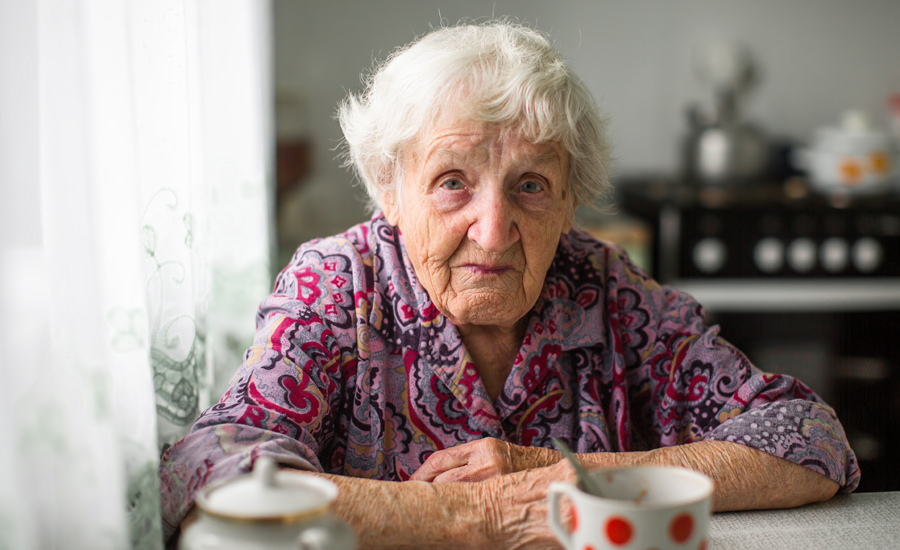
Have you noticed your loved one’s clothes looking looser than usual or that they’ve lost weight without trying?
According to the NHS, losing between 5% and 10% of your body weight unintentionally over three to six months can be a warning sign of malnutrition. For an older adult weighing 60 kg, that’s a loss of just 3 kg to 6 kg.
Being alert to weight loss in later life is important because it can signal an underlying health problem, even when an older adult appears to be eating normally.
So, what causes unexplained weight loss in older adults and how do care homes recognise when a resident’s weight becomes a concern? In this article, we’ll explore the possible causes and why recognising changes early is so critical.
What Causes Unexplained Weight Loss in Older Adults?
If an older adult is losing weight for no clear reason, it could result from poor nutrition, medication side effects, swallowing difficulties or underlying medical conditions such as diabetes, an overactive thyroid or cancer. Depression and dementia can also affect eating habits, increasing the risk of malnutrition. Persistent weight loss should be assessed by their GP to identify the cause and arrange appropriate treatment or nutritional support.
Why Unintentional Weight Loss Is a Concern in Older Adults
Losing a few pounds might not sound like much, but for an older adult, losing that weight without trying can seriously affect their health.
Muscle mass naturally decreases with age, and further weight loss can leave your loved one feeling weaker than usual, which can increase the risks of falls. If this is happening, you’ll likely notice they’re struggling to get out of their favourite chair, walking more slowly or needing help with activities they previously managed independently.
There’s also the risk of malnutrition.
If your relative isn’t getting the nutrients they need into their body, they could become more vulnerable to infections and take longer to recover from illness. Poor nutrition can also delay wound healing, while a loss of body fat leaves residents with less cushioning around their bones, increasing the risk of pressure ulcers.
These problems tend to develop gradually, so your loved one may still be enjoying their meals and getting on with their usual routine, making it hard to spot changes.
This is one reason care homes monitor residents’ weight regularly. An unexpected drop on the scale gives carers an opportunity to investigate what’s happening and arrange support before further weight loss affects your loved one’s health and independence.
How Care Homes Monitor Residents for Unexplained Weight Loss
Care home staff don’t need to wait until a resident looks noticeably thinner before investigating weight loss. They utilise regular monitoring to spot changes early, including those your loved one might not have noticed.
Regular weight checks
Residents are weighed at intervals appropriate to their needs, with the results recorded so staff can see whether their weight is stable or gradually declining. And if your loved one starts losing weight unexpectedly, staff can arrange more frequent checks.
Malnutrition screening
Care homes use tools such as the Malnutrition Universal Screening Tool to assess nutritional risk. The MUST calculator considers a resident’s BMI, recent unintentional weight loss and whether an acute illness has prevented them from eating, or is likely to do so, for more than five days.
Observing changes at mealtimes
Fully trained care home teams also monitor how much residents eat at mealtimes and whether they have any difficulties. If your loved one leaves food on their plate because they are losing interest in their favourite meals or struggle to chew and swallow, staff can investigate whether these changes are contributing to their weight loss.
Arranging further assessment
If staff identify unexplained weight loss, they will raise their concerns with the resident’s GP. Depending on the findings, your loved one might need a full medication review, nutritional support or an assessment by a dietitian, which will then be reflected in their care plan.
Helping Care Home Residents Regain Weight Safely
If your loved one is losing weight, encouraging them to eat more might seem like the obvious answer. But what if they’re already eating as much as they feel comfortable with? Or they’re finding meals difficult
because of dental problems or a health condition?
Care home staff need to find out what’s behind the weight loss before deciding how best to help. Their GP might also need to step in and investigate a medical cause, while staff can make practical changes to help your relative get more from their meals.
For a resident with a small appetite, this could mean offering five or six smaller meals and snacks throughout the day instead of expecting them to finish three large portions. Adding grated cheese to mashed potatoes, using full-fat milk in porridge or serving a favourite pudding with custard can also boost calorie intake without having to make the portions bigger.
And what if eating itself has become difficult? Poorly fitting dentures or painful gums might need attention from a dentist. If your loved one is coughing a lot during meals or struggling to swallow, care homes will arrange a swallowing assessment before changing food textures or offering supplements.
Some residents will need additional support from a dietitian, who can recommend a suitable nutritional plan and advise whether oral nutritional supplements are appropriate.
Trained care home staff will then monitor your loved one’s weight and food intake to see whether the changes are helping. Bear in mind that gaining weight can take time, so regular reviews are important to ensure their nutritional needs are met.
Raising Concerns About An Elderly Person’s Weight Loss
If you’ve noticed your loved one looking thinner, please don’t assume it’s a normal part of getting older.
Even if they’re eating well and seem happy in themselves, unexplained weight loss deserves a conversation with their GP.
If your relative lives in a care home, ask the care team whether they’ve noticed a change in their weight and what their recent measurements show. You can also find out whether they’ve completed a nutritional assessment and whether their GP has raised any concerns.
Are you noticing changes during your visits to the care home?
You don’t need to wait for a dramatic change before raising concerns with their carers. The sooner their unexplained weight loss is assessed, the better the chance of identifying its cause, helping your loved one maintain their strength and health.
Ready to explore...